Why get a hair transplant?

      Why get hair transplants? A hair transplant generally involves taking healthy hair and placing it in an area on the scalp with noticeable hair loss.

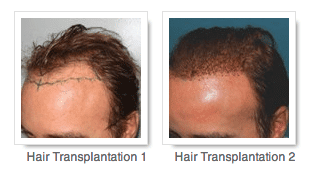
When someone experiences hair loss, he or she might suffer from decreased self esteem. A hair transplant can potentially help increase self confidence. You should keep in mind that a hair transplant will not create new hair. Both men and women experience hair loss. It’s generally associated with age and genetics, although that’s not the case in all hair loss. What happens when you get hair transplants? Before your transplant, your doctor will assess how much hair loss you’ve had, how much hair is available for the transplant and the quality of that hair, how much hair you will potentially lose in the future, the color contrast of the transplanted hair and the body wave of your hair. You and your doctor will discuss what pattern would work best for your hair transplant. You should discuss with your doctor what your expectations should be for the transplant. Also, it’s important to understand how much the procedure will cost and whether you can anticipate wanting additional hair transplants. The technique each doctor uses will vary from practice to practice. Some doctors use what’s known as follicular unit grafts. During a follicular unit graft procedure, you will most likely be awake for your hair transplant. The doctor will use an anesthetic to numb the area where he or she is working. To start the transplant, your doctor will take a strip of hair from the back of your head. This area of your head generally has healthy hair that hasn’t been affected by dihydrotestosterone, a hormone that can cause hair to deteriorate. This means that hair transplanted from this area shouldn’t be affected by the hormone that likely caused you to lose hair in the first place. The doctor will stitch the back of your head where the donor site is back together to ensure the best healing. Next, the doctor will place the strip of hair under a microscope and divide it into hair grafts. These grafts are made up of one to three follicle units. The doctor will create small puncture sites where the hair grafts will be placed. The goal is for the grafts to be placed in a pattern that will mimic your natural hairline. The transplanted hair will likely fall out, but the follicles that were transplanted will stay. You should see results in a few months. About a year after your transplant, you should see significant results. On average, hair transplant recipients receive about 1,500 grafts, which factors out to between 3,500 and 4,000 follicles. The surgery will take about four hours. Does it hurt? During the procedure, you should only feel slight, if any, pain. Pain will vary from patient to patient and depending on which hair transplant procedure you choose. After the procedure, the area where the hair was taken will probably be sore for a few days. What are the risk factors? With any surgery, there’s a risk of bleeding and infection. Patients who undergo a hair transplant also run the risk of scarring and unnatural looking hair growth. Your risk of side effects is lowered if you are not a smoker and are in good health. You might experience oozing from the graft sites, but that should disappear within a few days. What’s the recovery time? Your recovery time will depend on how many grafts you receive and how much hair loss you had to begin with. If you had significant hair loss, your hair transplant might be less conspicuous than someone who has more hair to hide the redness from the transplant. The sutures that were placed in the hair transplant site will likely be taken out within 10 days of your surgery. What’s the follow-up? Whether you need another hair transplant is up to you. Some people might want to have another. This decision will depend on your hair loss, the amount of hair you have to transplant and how much you would like to spend on the procedure.


Breastfeeding after Breast Implants and Breast Implant Removal

For over 330,000 women and the American Society of Plastic Surgeons (ASPS), 2012 was the year of the silicone breast implant. Since the Food and Drug Administration (FDA) lifted the moratorium on the silicone implant in 2006 its popularity has skyrocketed: women everywhere have opted in for reshaping their bodies, with most undergoing the procedure in their 20s. But as that decade comes to a close and a new one starts a lot of women are worried: how will breast implants affect breastfeeding my baby? breastfeeding after breast implant The Myth It’s long been an urban legend muttered by mothers everywhere: breast implants prevent you from properly breastfeeding your baby. They lead to sagging, they can be harmful, and there are even rumors about how they can cause other health problems following pregnancy. But is there really any truth to it? According to ASPS, they’re all false: breastfeeding following breast augmentation surgery is entirely possible and quickly becoming a common occurrence. While getting breast implants may affect your body in other ways, it doesn’t appear to have much of an impact upon breastfeeding: whether you’re successful or not at producing milk is largely up to your body, regardless of surgery. BFAR, an organization dedicated to breastfeeding after surgery, explains that the woman’s body pre-surgery determines how successful she will be at breastfeeding. Following surgery, milk production may slow momentarily due to the healing process. For example, naturally small breasts may have trouble producing a full milk supply due to a lack of glandular tissue. Breast type can also impact milk production negatively. Tubular-shaped, widely spaced, undeveloped, and asymmetrical breasts all have a higher risk of reduced breastfeeding capacity. Another popular concern women have is how breastfeeding after a breast implant surgery may affect the appearance of their breast. Specifically, sagging appears to be a large concern. However, expecting moms everywhere can rest easy: breastfeeding doesn’t result in implant sagging, according to an ASPS study. Alternatively, the study found the number of pregnancies had a greater influence on breast appearance than breastfeeding did. breastfeeding after breast implant The Truth So, if it doesn’t halt milk production or cause your breasts to sag in spite of implants, what does breast augmentation and breastfeeding do? Breast implants have several potential complications, including scar tissue, minor breast pain, and changes in nipple and breast sensitivity. In rare cases, the implant may need to be removed. Breastfeeding, on the other hand, appears to have nothing but benefits for your body. Not only does it help reduce stress and the potential of developing post-partum depression, breastfeeding also impacts your risk of certain types of cancer and does nothing but strengthen your baby. If you’ve been among the millions of new mommies worried about how your breast implants will affect your ability to breastfeed, you can rest easy: numerous studies have thus far found few negative results. If you’re concerned about your ability to breastfeed, please contact your doctor; but for any questions regarding your implants or your breast type, we’d be happy to help!  

Why winter is the best time for plastic surgery

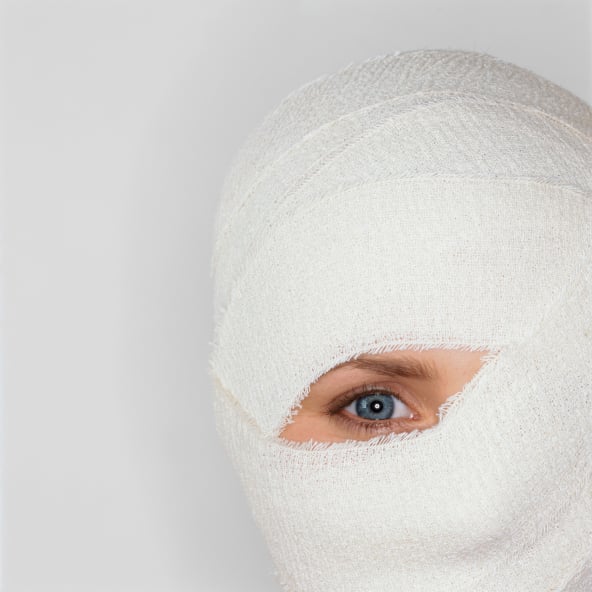
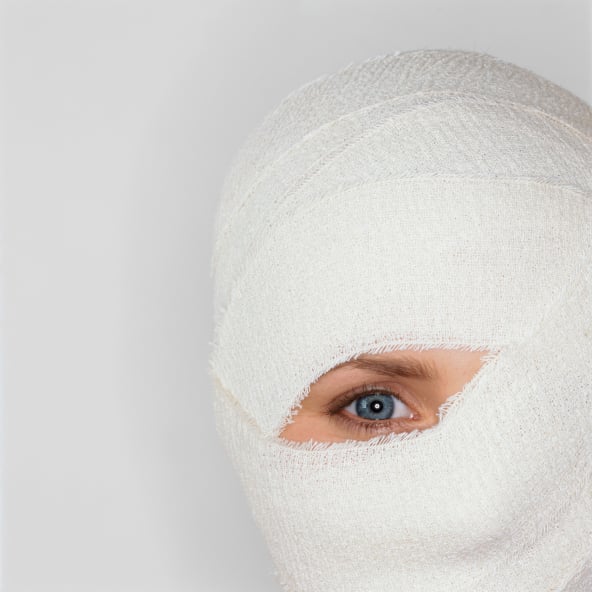
If you’ve been contemplating your surgical procedure for a while now, there’s no time like the present: seriously. Winter months may just be the best time for having cosmetic surgery, for several reasons, and we’ve included the best of them just for you: winter plastic surgery More Recovery Time Without Missing Work When you step back and look at the calendar, much of November and December are holidays for the vast majority of people. This means that if you plan to have your cosmetic or plastic surgery done before Thanksgiving, you will most likely be fully recovered by the New Year. The total time you will miss at work will be a few weeks max and in many people’s working environments they can use this as vacation time. If this is the case with your work, then not only will most people not notice you are gone during that time, but you will also save a lot of money in lost wages. While this may affect your presence during the holiday parties, there’s nothing stopping you from recovering on the couch to ABC Family’s 25 Days of Christmas. It’s Easier to Cover Up When it’s cold outside in the winter months, it is easier to cover up when you are out in public to not only keep yourself warm but also hide the bandages on your face from the surgery. This is something to consider if you’re self-conscious about going out in public after the surgery—most people are, as the bandages are often covering much of your body and can look at bit grisly, especially early on. However, in the winter months, covering these bandages with a ski cap or a few extra layers is much more acceptable–and easier– than at any other time of the year. It’s the Perfect Time to Stay Inside The winter months usually have inclement weather on a number of fronts. It’s cold, rainy or snowy and few people are spending a lot of time outside anyway. So having cosmetic surgery and then holing up at home to watch movies and streaming television seasons, eat good food and recover fully is completely acceptable during this time of year. While you may miss a few social gatherings, most people will probably be doing the same thing and will be none the wiser about your surgery and subsequent recovery. Plus, you won’t have the hassle or cost of planning a vacation over the holiday season, dealing with the travel or having to see any family that you aren’t too fond of, at least for this particular year. winter plastic surgery You Could Use it As a Gift While this may be an odd gift to get from, well, anyone, it is plausible that a family member or close friend could give you the gift of cosmetic surgery over the holiday season. If this is the case, you may want to use it immediately, due to all the other perks of having plastic surgery over the winter months, which are mentioned above. The plus side of this is that you get to avoid all the holiday crowds for that particular season, as you’ll simply visit the clinic and then head home to recover.   It’s a Perfect Way to Enter the New Year Disappearing and changing your appearance slightly in the winter months is the perfect way to head into the New Year for some people. It makes the fresh start that comes with the New Year all the more fulfilling, as not only do you have a clean slate from the previous year but you have a brand new look as well. Metaphorically, this just makes more sense. We know you’d be heartbroken to miss spending the holidays with your in-laws, but how could you pass up the perfect season for your cosmetic procedure? With all of the blankets, good food, and lazy entertainment your heart could ever desire, the holiday season is the perfect time of year. Don’t hesitate and miss out on a much-needed Spring Break trip instead—contact us and set up your appointment today!

Plastic Surgery Abroad: Cosmetic Surgery for Minors?

Going abroad for plastic surgery has been a popular topic for decades, despite warnings about unsafe practices and lengthened healing time. While some countries continue to profit off of foreigners taking an extra-long vacation to heal up, others are making it harder to save a little cash. In 2008, Queensland (in Australia) banned minors from getting plastic surgery and in 2009 Italy banned anyone under the age of 18 from getting breast implants. Now, Germany is banning plastic surgery for minors. minor cosmetic surgery What the Ban Does The ban, which has been in talks for months now, would ban cosmetic surgery for minors with the exception of procedures deemed “medically necessary.” It leaves a grey area around certain areas in cosmetic surgery, however, like aesthetic reconstruction surgery for accident victims. Jens Spahn, health spokesman for the Christian Democratic Union supporting the bill said the bill is about “protecting young people from the consequences of a wrong-headed beauty craze.” Bill supporters argue that it serves to protect minors from making decisions they may later regret in regards to altering their appearance. After all, the American Society of Plastic Surgeons reports that procedures are definitely popular by age bracket: for those 13-19, it’s a nose job, with 20-29 opting for breast alterations. What it Means for the U.S. Although more countries are taking steps to control the plastic surgery market, the United States has kept quiet. While the Food and Drug Administration recommends that breast augmentation patients be at least 18 years old, there is no law requiring it. The American Society of Plastic Surgeons also released a statement saying they have no formal position on the topic of plastic surgery for minors. Here, just about anything goes. While the United States does have a long way to go, there are some rules governing plastic surgery: in 20 states, licensing and accreditation is required to perform surgery. Those offices must also adhere to safety procedures and must have life-saving emergency equipment and drugs on-hand. Of the remaining states, there is either no requirement or it is only suggested. Oklahoma is among the latter group, so be sure you’re choosing carefully! minor cosmetic surgery ABC News recently reported that a study done by the American Society of Plastic Surgeons revealed that surgery among minors is up thirty percent in the last decade—all due to bullying. This is contrasting the most popular reasons adults opt to go under the knife—instead of doing it to “fit in” with their peers, adults are more focused on correcting unsatisfactory body issues. Whatever the reason, plastic surgery is popular among varying age groups and is usually well-received. What do you think about cosmetic surgery for minors? We’d love to hear from you!

Post-Pregnancy Tummy Tuck: The Mommy Tuck

Many women who have are too young to have considered any cosmetic surgery procedures find themselves dealing with the subject after one or more pregnancies. For many, the idea of having the belly flattened seems an act of mere vanity until faced with the consequences of bearing their children. While you may be in love with your child, you don’t have to love the sagging muscles and stretched, displaced body tissues. pregnancy tummy tuck Mothers often pay a high post pregnancy price for the privilege of giving birth. Just a few of the complications in even a standard birth can include such problems as:

  • Diastasis recti, or separated abdominal muscles
  • Stretched skin and large folds of skin
  • Increased fatty deposits
  • Loss of confidence and depression from these conditions

When you’ve waited some time and taken the normal steps to get back to as good a shape as possible, but you’re still dissatisfied with your belly, it may be time to consult with your OB/GYN and get a referral to an experienced cosmetic surgeon to discuss a tummy tuck post pregnancy. There are several procedures, such as a abdominoplasty or panniculectomy, that might be appropriate to deal with your situation. Only a decade ago such procedures were largely limited to older and postmenopausal women. Today, however, the American Society of Plastic Surgery reports that the average woman having a tummy tuck is under the age of 35 and has at least two young children. In fact, it is reported that the number of such abdominal procedures nearly doubled between 2000 and 2009 and exceeded 110,000 treatments. With today’s fashions and unrelenting focus on personal appearance, many women feel that this is a safe and affordable way to reclaim at least part of what it cost their bodies to become mothers. It also allows them to resume some of the physical activities that their post pregnancy bellies prevented or hindered. What does a Tummy Tuck Post Pregnancy Involve? If you’re considering a tummy tuck after pregnancy, it’s wise to understand what such a procedure involves. First, understand that it is, in fact, a serious medical operation. All such medical procedures involve inherent risks that must be weighed, particularly in light of your own medical condition. Therefore, any such consideration starts with a visit to both your general practitioner and OB/GYN. post pregnancy tummy tuck The second thing to understand is that, according to most doctors, a tummy tuck will cause a considerable amount of discomfort for at least 10 to 14 days. Depending on your exact procedure, this can extend to as much as a month and limit your normal activities, including mommy functions. While specifics vary, your surgeon is going to make a horizontal incision across your belly between the pubic bone and navel. That incision can be as large as the entire length of you abdomen. One this cut is made, your skin is pulled back and the unnecessary fat is removed. After this, your skin is pulled back and taughtly stretched. You’ll usually get a new belly button hole in the skin and any excess skin is then removed. As indicated, there are a number of variations, including a lipoabdominoplasty and the mini-tuck. Whichever is used, you’ll spend a number of days hunched over because of the purposely over-stretched skin that results from the operation. You know that birth brought pain and tummy tucks follow suit. That means you’ll be using a lot of pain medications  that will slow you down for a time, as well. The mommy tuck may be what the doctor ordered but don’t think of it as a simple procedure. Make sure and your family are ready for you to be out of circulation for some time if you opt for this popular procedure.

Post-Pregnancy Tummy Tuck: The Mommy Tuck

Many women who have are too young to have considered any cosmetic surgery procedures find themselves dealing with the subject after one or more pregnancies. For many, the idea of having the belly flattened seems an act of mere vanity until faced with the consequences of bearing their children. While you may be in love with your child, you don’t have to love the sagging muscles and stretched, displaced body tissues. pregnancy tummy tuck Mothers often pay a high post pregnancy price for the privilege of giving birth. Just a few of the complications in even a standard birth can include such problems as:

  • Diastasis recti, or separated abdominal muscles
  • Stretched skin and large folds of skin
  • Increased fatty deposits
  • Loss of confidence and depression from these conditions

When you’ve waited some time and taken the normal steps to get back to as good a shape as possible, but you’re still dissatisfied with your belly, it may be time to consult with your OB/GYN and get a referral to an experienced cosmetic surgeon to discuss a tummy tuck post pregnancy. There are several procedures, such as a abdominoplasty or panniculectomy, that might be appropriate to deal with your situation. Only a decade ago such procedures were largely limited to older and postmenopausal women. Today, however, the American Society of Plastic Surgery reports that the average woman having a tummy tuck is under the age of 35 and has at least two young children. In fact, it is reported that the number of such abdominal procedures nearly doubled between 2000 and 2009 and exceeded 110,000 treatments. With today’s fashions and unrelenting focus on personal appearance, many women feel that this is a safe and affordable way to reclaim at least part of what it cost their bodies to become mothers. It also allows them to resume some of the physical activities that their post pregnancy bellies prevented or hindered. What does a Tummy Tuck Post Pregnancy Involve? If you’re considering a tummy tuck after pregnancy, it’s wise to understand what such a procedure involves. First, understand that it is, in fact, a serious medical operation. All such medical procedures involve inherent risks that must be weighed, particularly in light of your own medical condition. Therefore, any such consideration starts with a visit to both your general practitioner and OB/GYN. post pregnancy tummy tuck The second thing to understand is that, according to most doctors, a tummy tuck will cause a considerable amount of discomfort for at least 10 to 14 days. Depending on your exact procedure, this can extend to as much as a month and limit your normal activities, including mommy functions. While specifics vary, your surgeon is going to make a horizontal incision across your belly between the pubic bone and navel. That incision can be as large as the entire length of you abdomen. One this cut is made, your skin is pulled back and the unnecessary fat is removed. After this, your skin is pulled back and taughtly stretched. You’ll usually get a new belly button hole in the skin and any excess skin is then removed. As indicated, there are a number of variations, including a lipoabdominoplasty and the mini-tuck. Whichever is used, you’ll spend a number of days hunched over because of the purposely over-stretched skin that results from the operation. You know that birth brought pain and tummy tucks follow suit. That means you’ll be using a lot of pain medications  that will slow you down for a time, as well. The mommy tuck may be what the doctor ordered but don’t think of it as a simple procedure. Make sure and your family are ready for you to be out of circulation for some time if you opt for this popular procedure.