Plastic Surgery to Look like a Celebrity — What’s that About?

People do it at the hair salon all the time. You might sit down in the chair and say, “I want that new Jennifer Aniston cut,” or, “I like how David Beckham styles his hair.” It’s a way to give the person doing the work a visual representation of what you want to see in the mirror.

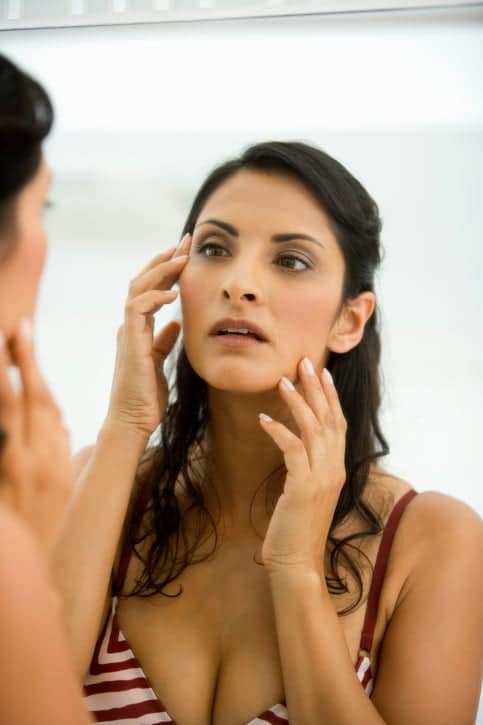
If you are contemplating a makeover that includes fuller lips or reshaping of the nose, why wouldn’t you take the same approach? There is some question about whether the trend of people getting plastic surgery to look like a celebrity is really a healthy one, but ultimately, it comes down to picking a style for most patients. They see a famous face and body and decide that’s the look they want.

Creating a Doppelganger

This is by no means a new trend, but it’s certainly getting a lot of attention these days. Nino Dean, a freelance fashion stylist living in Manhattan, had surgery over a decade ago to look like French singer Vanessa Paradis. For Dean, Paradis’s baby face appealed to him, according to the New York Times. The truth is that even the best plastic surgeon cannot create a doppelganger. It most cases, the patient isolates a specific body part and uses the celebrity as an example. Is it wrong to want Angelina Jolie lips or Kim Kardashian curves?

Cause for Alarm?

Some would argue that paying thousands of dollars to look like someone else is unhealthy. Even celebrities have intervened on social media sites to prevent these makeovers. In 2010, Kim Kardashian communicated with a fan via Twitter asking her to reconsider surgery, emphasizing that you should focus on being yourself. Doctors will tell you any plastic surgery is a case-by-case scenario. Wanting to be beautiful is a healthy goal, as long as you have a practical understanding of the process and not an unhealthy obsession or a type of psychosis.

Celebrity Style
Sometimes, a surgical makeover is a strategic business move. Miki Jay spent over $16,000 because she could make money imitating Michael Jackson. Her celebrity impersonation became more realistic after plastic surgery. Justin Jedlica made a similar career move when he had 144 procedures to look like a Ken doll.

Real estate technology consultant Deborah Davenport didn’t start out wanting to do anything but improve the way she looked. Davenport was unhappy with her aging face, so she decided to get surgery. She used Kate Winslet as an example of what she would like to look like. The surgeon shaved cartilage from her nose to thin it out and used nonsurgical approaches like Botox to change other aspects of her face. The final bill for the Winslet look was about $15,000. 

Ashley Horn invested $25,000 to look more like her famous sister Lindsay Lohan. That might be taking sibling rivalry too far, but Ashley wants to make it in Hollywood, too. It took five separate procedures to get there, including rhinoplasty and fillers.

Any time a patient considers plastic surgery, doctors evaluate the reasons behind the request. Wanting to look like your favorite celebrity is one way of identifying the style you like. An extreme makeover to get the exact look of a star, however, is not a practical or healthy option.


Breast Implants or Breast Lifts? The Winner Is…

From Playboy’s Swimsuit edition to the “Save Second Base” campaign, it’s pretty clear: we love breasts. With the amazing technology plastic surgery has brought to the table, women no longer have to be content with their natural breasts, either. The popularity of the breast implant is no secret, but another procedure may be usurping its popularity.

Back away from the pro/con list and let us help!

The Implant versus the Lift: Which One and Why?

Breast implantation surgery was the most popular cosmetic procedure in 2012, with 286,000 performed in the United States alone.  With statistics that high, it may be hard to believe that something as simple as a breast lift could be a contender for popular procedures. We’re here to help you learn the difference between the two, and, more importantly, which one is right for you.

The Implant

  • Breast implants serve to change the size, form, and texture of breasts. The surgery is performed for: post-mastectomy reconstruction, to correct genital defects or deformities, for gender reassignment surgeries, and also for purely aesthetic reasons.
  • There are three main types, named for their filling material: saline solution, silicone gel, and composite filler. The type of implant used depends upon your individual needs and preferences, and your doctor may help you determine which one is the best fit.
  • Recently, there have been a lot of questions over the impact implants could have on breastfeeding, mammography, and complications. Fortunately, there have not been any negative effects discovered.
See, much better.
See, much better.

The Lift

  • Breast lifts are primarily employed to take the existing breast tissue that may have sagged due to age or weight loss and raise it into its original location. It can be combined with a breast implant surgery to create larger, fuller breasts that are raised and combined with existing breast tissue.
  • Breast lifts are relatively simple procedures that depend on the tissue viability and the nipple-areola complex (NAC) to ensure that the breasts remain sensitive and functional for breastfeeding and lactation.

So, what’s the difference?

Ultimately, a breast lift will not change the size of the breast, but will use the existing tissue and create a natural repositioning. Breast implants are for increasing the size of the breasts in addition to re-positioning.  Surprisingly, breast lifts have been on the rise in plastic surgery.

Although breast implants are still one of the most popular procedures, more and more women are asking to use their existing breast tissue. If you’re not sure which procedure is right for you, talk to us! We’d love to help you explore your options and get back to feeling your b(r)ea(a)st! (See what we did there?)

The Brain-Changer: Selfie and Technology’s Impact on Your Perception

I’ll read this article, but first, let me take a selfie.

If there is a single totem for the current state of digital dependence and online presence, it would be the self-portrait—dubbed the “selfie.” From the Oscars all the way to your timeline, and every space in between, it has done more than clog our newsfeeds: it’s become a brain-changer. Here’s the skinny on how trends like Selfie Sunday could be impacting your body and your brain.selfie and perception

The Short Story

Social media has influenced many aspects of our lives, and quickly gave rise to the selfie—encouraging people of all ages to stray from vacation pictures to a more intimate view of the individual. Often, selfies have sexual undertones: offering the internet audience a glimpse into the personal life of someone in their pajamas, laying on their bed or at the beach, posing. They’re designed to leave a positive impression or elicit some affirmation to the selfie-taker’s physical appearance. While social media focuses on the appearance of your life, the selfie was all about taking control of who sees your life and how they perceive it.

Naturally, this can lead to a few problems.

Psychology Today featured an article on the very same subject, emphasizing how the age of the self-portrait has encouraged narcissism today.  Citing a study from the UK, the magazine said that excessive photo sharing could be damaging to real-world relationships. Especially with the types of photos in mind, the photo-sharer may seem less likable in person due to their online habits.

In addition to altering how our friends perceive us on- and off-line, our online pictures may also heighten self-esteem issues with the pressure to constantly be camera-ready and to have the perception of a good, exciting life. Because self-image is a very important part of how we carry ourselves as individuals, the negative impact selfies and online images may have can be devastating. However, it doesn’t all have to be that way. selfie and perception While selfies have heightened, and in some cases, distorted, our self-awareness, it has also changed how we view photographs.

Dr. Pamela Rutledge, director of Media Psychology Research Center, explains that there is a vast difference in how we view ourselves in the mirror versus a photograph: a mirror will also give you movement, life, and color that a photograph cannot capture. “For some, this presents a more attractive—and therefore satisfactory—image as the movement and life tend to overcome flaws that might be more noticeable to an individual were the person to see him or herself in a photo,” said Rutledge.

The Good, The Bad, and The Ugly Selfies

Much like anything else in life, selfies aren’t wholly terrible. While it has been proven that technology—social media and selfies included—have helped to rewire how our brain works, it isn’t necessarily a bad thing. With a heightened sense of awareness, we are more likely to take better care of our bodies—and that includes fully discussing with your doctor the reason for your plastic surgery. Is it to look and feel better with the body you have—or are you trying to compete with Ellen’s selfie game?

For more information about altering your body, or any questions you may have, contact your doctor. You can schedule a consultation with us here to discuss your options. We look forward to hearing from you!

First Lady Approved: Non-Surgical “Cheats”

Let’s be honest: there’s a stigma surrounding plastic surgery, and it’s a negative one at that. With thousands of photos of bad plastic surgery jobs, or malformed celebrities fresh from the office, it can be a little hard to find the benefits under all of the bad press. If going under the knife is what scares you, it’s time to put your fears to rest. nonsurgical plastic surgery

Non-Surgical Options

Just because cosmetic surgery is most closely associated with intense procedures with long recovery times doesn’t mean that’s all there is. Minor procedures don’t have to mean minor results—Botox and clinical peels, while non-surgical can have amazing results on your body’s appearance.

Even First Lady Michelle Obama has expressed interest in pursuing non-surgical cosmetic procedures; why shouldn’t you? Although you may be familiar with some forms of cosmetic procedures, we’ve compiled a list of the ones we offer and what you can expect:

  • Botox: While this is a non-surgical procedure that has also suffered some bad press, it is still one of the best procedures to relax facial muscles to reduce the appearance of wrinkles. The injections are typically placed around the eyes, mouth, and forehead and the results last up to a year.
  • Fraxel Dual laser resurfacing, like Botox, helps to relax wrinkles, but it can also target acne and hyperpigmentation in facial tissue. The laser operates on two wavelengths, which allows it to treat a wide variety of skin problems.
  • Exilis Elite is a skin-tightening procedure for patients of all ages who may be slightly overweight to improve the problem areas that dieting and exercise couldn’t cure alone. It uses radio frequencies and thermal heating to attack and shrink fat cells.
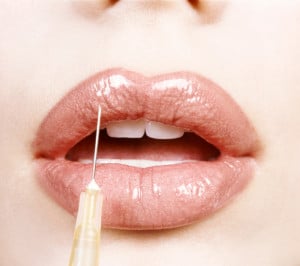
  • Dermal fillers are used around a patient’s mouth and nose to smooth and fill-in deep wrinkles. It may also be used to create fuller lips. Typically, these injections are good for about a year.
  • Chemical peels are customized specifically for your skin type and needs to soften and smooth surface texture as well as decreasing the frequency of breakouts. Based upon your individual needs, the results could vary.

nonsurgical plastic surgery If you want to improve your body without the stress of undergoing a major surgical procedure, all hope is not lost. Non-surgical cosmetic procedures have amazing results when performed by a licensed professional, so be sure to do your research on the doctor you choose. For questions regarding which procedure may be right for you and your needs, or to schedule an appointment, give us a call! We’d be happy to help!

Mental Makeovers and Man’s Search for Meaning

If one of your New Year’s resolutions was to better yourself, have you seen many changes? From dieting and exercise to a few simple procedures, altering your body image takes a lot of work but is almost always a common resolution to have. But what about your mind—have you been neglecting it in favor of your physique?

makeover Readers are Leaders

There are a myriad of activities to help give you a mental makeover: memory games, flashcards, brain-training websites and dozens more. But there’s an old-fashioned technique that can help you with fine details, memory, and vocabulary (just to name a few). Reading—whether you love it or hate it—has more benefits to it than negatives, and it only takes a few minutes of your time each day.

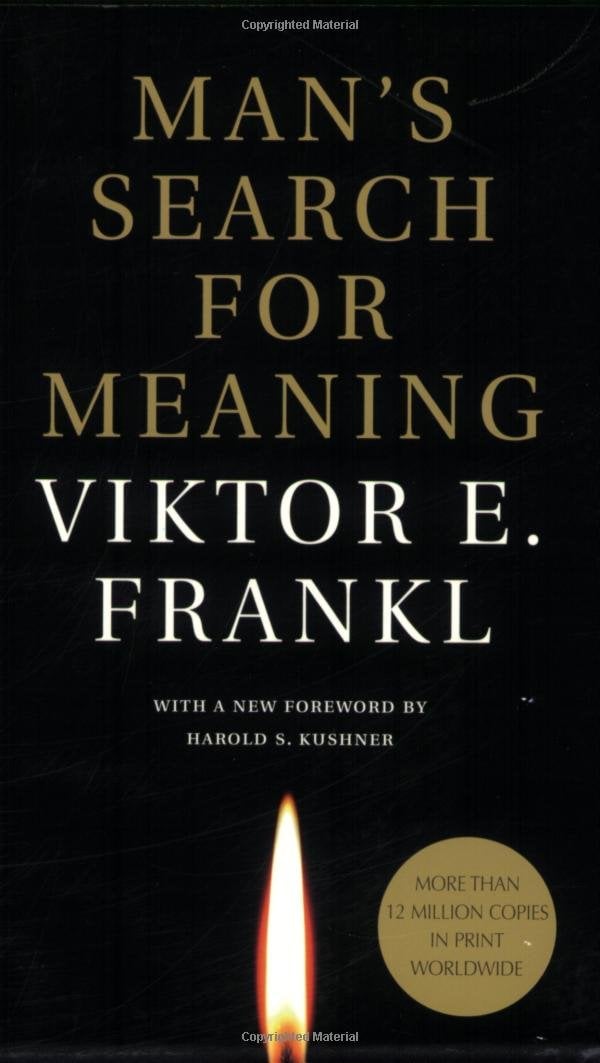
Reading the back of the shampoo bottle, of course, doesn’t count; and while fiction novels are a popular choice, non-fiction books are what your brain is craving. Aside from learning about historical events and modern culture, you can also develop yourself as a professional by learning from others. It’s certainly important to sample a few from each category: history, politics, religion, philosophy, psychology… Once you’re in the non-fiction section, however, choosing your first book can be hard. To make things easier on you, we shared one of our favorites: Man’s Search for Meaning by Victor Frankl.

Summary

Given rave reviews by The New York Times, Carl Rogers, and Harold Kushner, this deeply personal account of Frankl allows you to experience the trials and tribulations of Nazi Germany first-hand. Frankl documented his experiences as an Auschwitz concentration camp inmate, and paired it with his psychotherapeutic method as a psychiatrist. At the time of Frankl’s death in 1997, it had sold more than 10 million copies worldwide. Although this first-hand account of the Holocaust may seem like nothing more than an interesting read, it certainly has value for both your professional and personal life. Throughout Frankl’s analysis of himself and his mental processes as he experienced one of the ugliest times in history, it also encourages professionals to help others find meaning in their work. Whether you’re at a desk job from 9 to 5 or working the night shift driving the interstate, it’s important to find meaning in whatever it is that you do.

Photo from Amazon.com

Here’s an excerpt from the book itself to demonstrate what we mean:

“What was really needed was a fundamental change in our attitude toward life. We had to learn ourselves and, furthermore, we had to teach the despairing men, that it did not really matter what we expected from life, but rather what life expected from us. We needed to stop asking about the meaning of life, and instead think of ourselves as those who were being questioned by life – daily and hourly. Our question must consist, not in talk and meditation, but in right action and in right conduct. Life ultimately means taking the responsibility to find the right answer to its problems and to fulfill the tasks which it constantly sets for each individual.”

For us here, we have an incredible passion for helping others feel their best in their own skin. From minor procedures like Botox to intensive reconstructive surgery, we want you to feel your best by looking your best, which allows you to bring passion and confidence into your own professional world.

Have you read Frankl’s work, or have we persuaded you to? We’d love to hear your thoughts on the book and your own efforts on mental makeovers!

Mental Makeovers and Man’s Search for Meaning

If one of your New Year’s resolutions was to better yourself, have you seen many changes? From dieting and exercise to a few simple procedures, altering your body image takes a lot of work but is almost always a common resolution to have. But what about your mind—have you been neglecting it in favor of your physique?

makeover Readers are Leaders

There are a myriad of activities to help give you a mental makeover: memory games, flashcards, brain-training websites and dozens more. But there’s an old-fashioned technique that can help you with fine details, memory, and vocabulary (just to name a few). Reading—whether you love it or hate it—has more benefits to it than negatives, and it only takes a few minutes of your time each day.

Reading the back of the shampoo bottle, of course, doesn’t count; and while fiction novels are a popular choice, non-fiction books are what your brain is craving. Aside from learning about historical events and modern culture, you can also develop yourself as a professional by learning from others. It’s certainly important to sample a few from each category: history, politics, religion, philosophy, psychology… Once you’re in the non-fiction section, however, choosing your first book can be hard. To make things easier on you, we shared one of our favorites: Man’s Search for Meaning by Victor Frankl.

Summary

Given rave reviews by The New York Times, Carl Rogers, and Harold Kushner, this deeply personal account of Frankl allows you to experience the trials and tribulations of Nazi Germany first-hand. Frankl documented his experiences as an Auschwitz concentration camp inmate, and paired it with his psychotherapeutic method as a psychiatrist. At the time of Frankl’s death in 1997, it had sold more than 10 million copies worldwide. Although this first-hand account of the Holocaust may seem like nothing more than an interesting read, it certainly has value for both your professional and personal life. Throughout Frankl’s analysis of himself and his mental processes as he experienced one of the ugliest times in history, it also encourages professionals to help others find meaning in their work. Whether you’re at a desk job from 9 to 5 or working the night shift driving the interstate, it’s important to find meaning in whatever it is that you do.

Photo from Amazon.com

Here’s an excerpt from the book itself to demonstrate what we mean:

“What was really needed was a fundamental change in our attitude toward life. We had to learn ourselves and, furthermore, we had to teach the despairing men, that it did not really matter what we expected from life, but rather what life expected from us. We needed to stop asking about the meaning of life, and instead think of ourselves as those who were being questioned by life – daily and hourly. Our question must consist, not in talk and meditation, but in right action and in right conduct. Life ultimately means taking the responsibility to find the right answer to its problems and to fulfill the tasks which it constantly sets for each individual.”

For us here, we have an incredible passion for helping others feel their best in their own skin. From minor procedures like Botox to intensive reconstructive surgery, we want you to feel your best by looking your best, which allows you to bring passion and confidence into your own professional world.

Have you read Frankl’s work, or have we persuaded you to? We’d love to hear your thoughts on the book and your own efforts on mental makeovers!